Introduction
Hi everyone, Emily here! If you’ve ever tried to replicate those famous coffee-shop egg bites at home and ended up with something rubbery, this recipe is for you. In 2026, the “sous-vide at home” texture is all about one secret ingredient: cottage cheese. By blending it with eggs, you create an aerated, silky custard that stays light and fluffy even after reheating. These High-Protein Egg Bites are the ultimate meal-prep solution—savory, customizable, and packed with enough protein to keep you fueled all morning.
Why You’ll Love This Recipe
The “Fluff” Factor: Blending the base ensures a velvety, uniform texture that mimics expensive commercial versions.
Protein-Packed: Between the eggs and the cottage cheese, you’re getting a massive protein boost without the heavy calories of cream-based quiches.
Customizable: Use this as a “fridge-cleaner” base—throw in whatever leftover meats or veggies you have on hand.
Grab-and-Go Ready: These stay fresh in the fridge and are just as good cold as they are warm.
Equipment
Blender: Absolute necessity for turning the cottage cheese into a smooth, creamy base.
Muffin Tin: Standard or mini sizes work well.
Silicone Liners: Highly recommended! These bites are notoriously sticky; silicone makes removal a breeze.
Mixing Bowl: For folding in your textured add-ins.
Ingredients
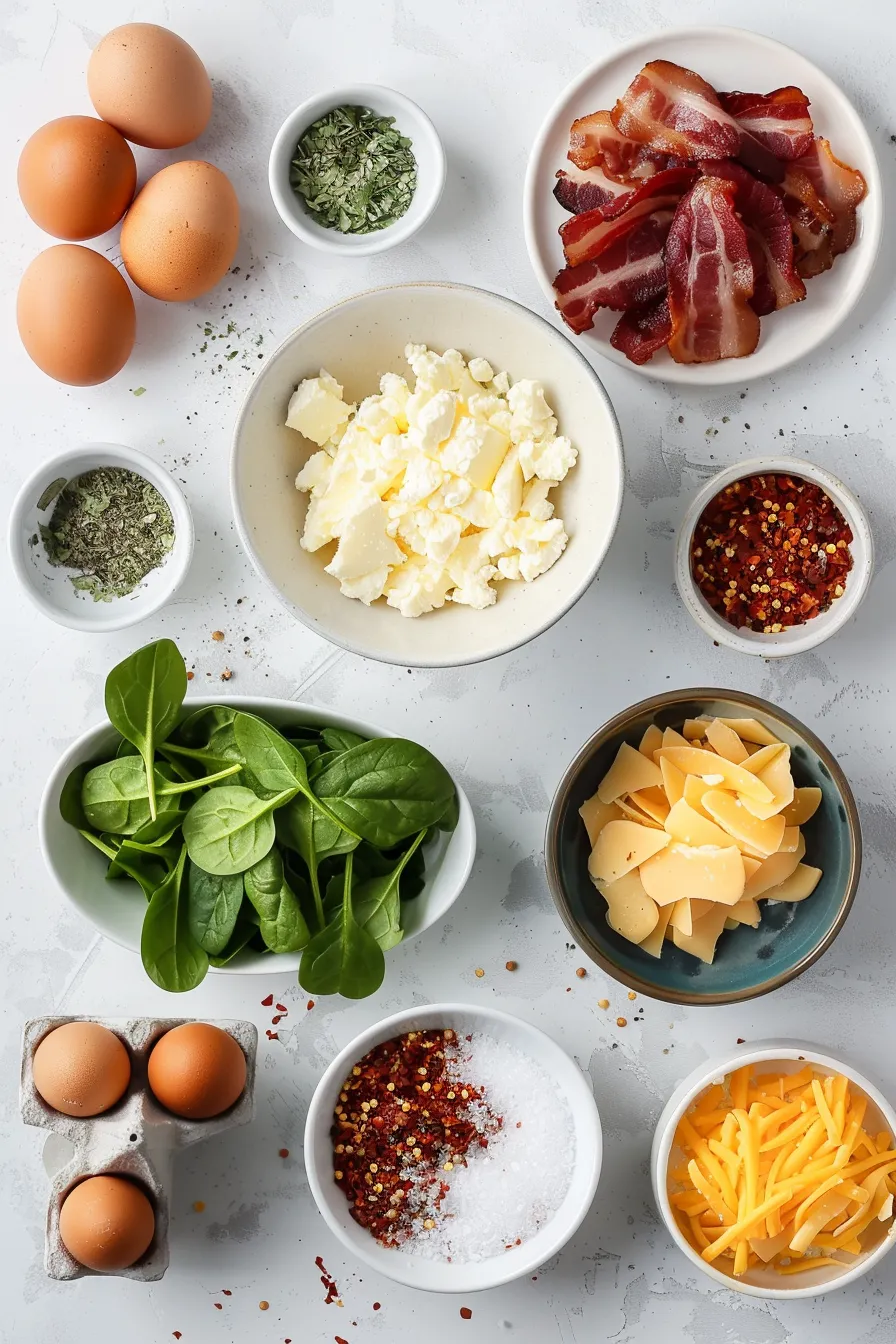
6 large Eggs
1/2 cup Cottage cheese (full fat or low fat both work)
1/2 cup Shredded cheese (Cheddar, Swiss, or Pepper Jack)
1 1/2 cups Cooked add-ins (Chopped bacon, sautéed spinach, mushrooms, etc.)
Seasoning: 1/4 teaspoon salt, 1/4 teaspoon black pepper
Optional: Garlic powder, fresh herbs, or chili flakes for a kick.
Instructions
Prep the Heat: Preheat your oven to 325°F. Grease your muffin tin thoroughly or line with silicone liners.
The Base: Place the eggs, cottage cheese, salt, and pepper in a blender. Blend until completely smooth and slightly frothy.
The Mix: Pour the egg mixture into a bowl and stir in your shredded cheese and chosen cooked add-ins.
The Pour: Fill each muffin cup about 3/4 of the way full. They will puff up in the oven and then settle as they cool.
The Bake: Bake for 22–28 minutes. You’re looking for the centers to be “just set”—they should have a slight jiggle but not be liquid.
Cool & Release: Let them cool in the pan for 5–10 minutes before removing. This helps the structure set and prevents them from breaking.
You Must Know
Technique Alert: Low and slow is the rule! Baking at 325°F (rather than a standard 350°F) prevents the eggs from expanding too quickly and becoming tough or rubbery. Pro Tip: If you aren’t using silicone liners, consider a “water bath.” Place your muffin tin inside a larger roasting pan filled with an inch of hot water. The steam creates an even fluffier, more custard-like result.
Storage Tips
Fridge: Store in an airtight container for up to 4 days.
Freezer: These freeze beautifully for up to 3 months. Thaw in the fridge overnight or reheat directly from frozen.
Reheating: Use an air fryer at 300°F for 3–5 minutes to restore the texture, or microwave for 30–45 seconds wrapped in a damp paper towel.
Ingredient Substitutions
The Creaminess: If you aren’t a fan of cottage cheese, Greek yogurt is a fantastic 1:1 substitute, though it will be slightly tangier.
Dairy-Free: You can use a dairy-free cream cheese alternative, though the texture may be slightly denser.
The Greens: Use frozen spinach, but ensure you squeeze all the water out first to avoid watery egg bites.

Serving Suggestions
The Zesty: Top with a dollop of fresh salsa or a few dashes of hot sauce.
The Healthy Fat: Serve with sliced avocado and a sprinkle of “everything bagel” seasoning.
The Breakfast Sandwich: Smash an egg bite between a toasted English muffin for a high-protein handheld.
Cultural and Historical Context
The rise of the “egg bite” is a 2020s phenomenon, popularized by the sous-vide cooking trend in commercial coffee chains. In 2026, the trend has shifted toward “accessible gourmet”—using common pantry staples like cottage cheese to achieve high-end textures without the need for specialized laboratory equipment like immersion circulators.
Seasonal Adaptations
Spring: Use asparagus tips and goat cheese for a bright, sophisticated flavor.
Autumn: Try sautéed kale and sweet potato crumbles for a heartier, earthy breakfast.
Summer: Fold in fresh blistered cherry tomatoes and basil for a Caprese-inspired bite.
Perfect Occasions
The “Sunday Reset”: These are the gold standard for weekly meal prep. Spend 30 minutes on Sunday to save 15 minutes every morning.
Post-Workout Fuel: With the cottage cheese and egg combo, these are a massive protein hit for muscle recovery.
Office Potlucks: They look professional, are easy to transport, and are much healthier than the usual bagel spread.
Freezer Meal Conversion
To Freeze: Allow the egg bites to cool completely on a wire rack. Place them on a baking sheet in a single layer and “flash freeze” for 1 hour. Transfer to a gallon-sized freezer bag.
To Reheat: Wrap an egg bite in a damp paper towel and microwave for 60–90 seconds.
Pro Tips
The “Windowpane” Test: Not for bread here! To check for doneness, give the pan a slight nudge. The center should move as one solid piece rather than looking like liquid under a skin.
Don’t Over-Blend: Blend just until the cottage cheese lumps disappear. Incorporating too much air can cause them to puff and then collapse into craters.
FAQs About Recipes
Why did my egg bites sink? A little deflation is normal! Significant collapse usually means the oven was too hot or they were over-whisked.
Are they rubbery? If they are rubbery, they likely spent too long in the oven. Pull them out when they are just barely set.

Fluffy High-Protein Egg Bites
Ingredients
Equipment
Method
- Preheat oven to 325°F and grease/line a muffin tin.
- Blend eggs, cottage cheese, salt, and pepper until smooth.
- Stir in shredded cheese and cooked toppings.
- Pour into muffin cups until 3/4 full.
- Bake for 22–28 minutes until just set.
- Cool slightly before removing and storing.